

Yes, it’s still somehow free to subscribe to this nearly daily newsletter! Greg Mitchell is the author of fourteen books and director of four films for PBS since 2022. In a previous life, he was a longtime editor at the legendary Crawdaddy.
To begin, a takeoff on “What A Friend We Have in Jesus,” from the alleged Christian Nationalist Children’s Choir.”
John Oliver last night helped us understand the current phenomenon known as Prediction Markets. Probably you can now bet every night on whether I will mention either Dylan or Springsteen in my new morning’s Substack .
In its morning newsletter, the NY Times explains its important and sadly revealing scoop today. The Shadow Only Knows. Don’t miss:
Here’s how the Supreme Court generally makes decisions: For more than 200 years, it has worked at a slow and deliberate pace, weighing written briefs and oral arguments. The justices listen, read, discuss, vote and write detailed opinions and dissents that explain their thinking. They pass judgment only after lower courts have ruled.
In February 2016, though, the justices issued a short, cryptic ruling on an environmental policy from the Obama administration, days after receiving abbreviated briefs and without hearing oral arguments. In a terse paragraph heavy on legal boilerplate, and lacking any reasoning, the court simply blocked the president’s energy plan.
Why did that happen? Ordinarily, we’d have had to wait generations to hear the answer — until well after the deaths of the justices involved, when their private papers came into the public domain. But Jodi Kantor and Adam Liptak, whose work has been giving us a new view of the Supreme Court, obtained memos the justices wrote to one another in the days before the release of their 2016 decision that help illuminate the reason.
The memos don’t show much evidence of the careful debate that usually attends the justices’ work. Instead, as Jodi and Adam report, they show Chief Justice John Roberts forcefully arguing that the subject was too important to wait for their normal procedures.
Since 2016, the Supreme Court has relied more and more on that fast track, which legal experts call the “shadow docket,” to make decisions. The rulings are nominally temporary; the justices often come back with a full decision a year or two later. But the effects can be profound. The current justices have granted President Trump more than 20 victories this way, burnishing his power over immigration, federal funding and executive agencies.
The Times is publishing the memos to show how the court shifted to doing business this way.
Now, after Hungary, we have Bulgaria: Voters rejected the center-right party that has dominated the country’s politics for a decade.
A humanoid robot won a half-marathon in Beijing, with a reported time nearly seven minutes faster than the human world record.
Music Pick
Willie Nelson still going strong with new co-written cut “We’d Make a Good Movie,” from maybe his 500th album:
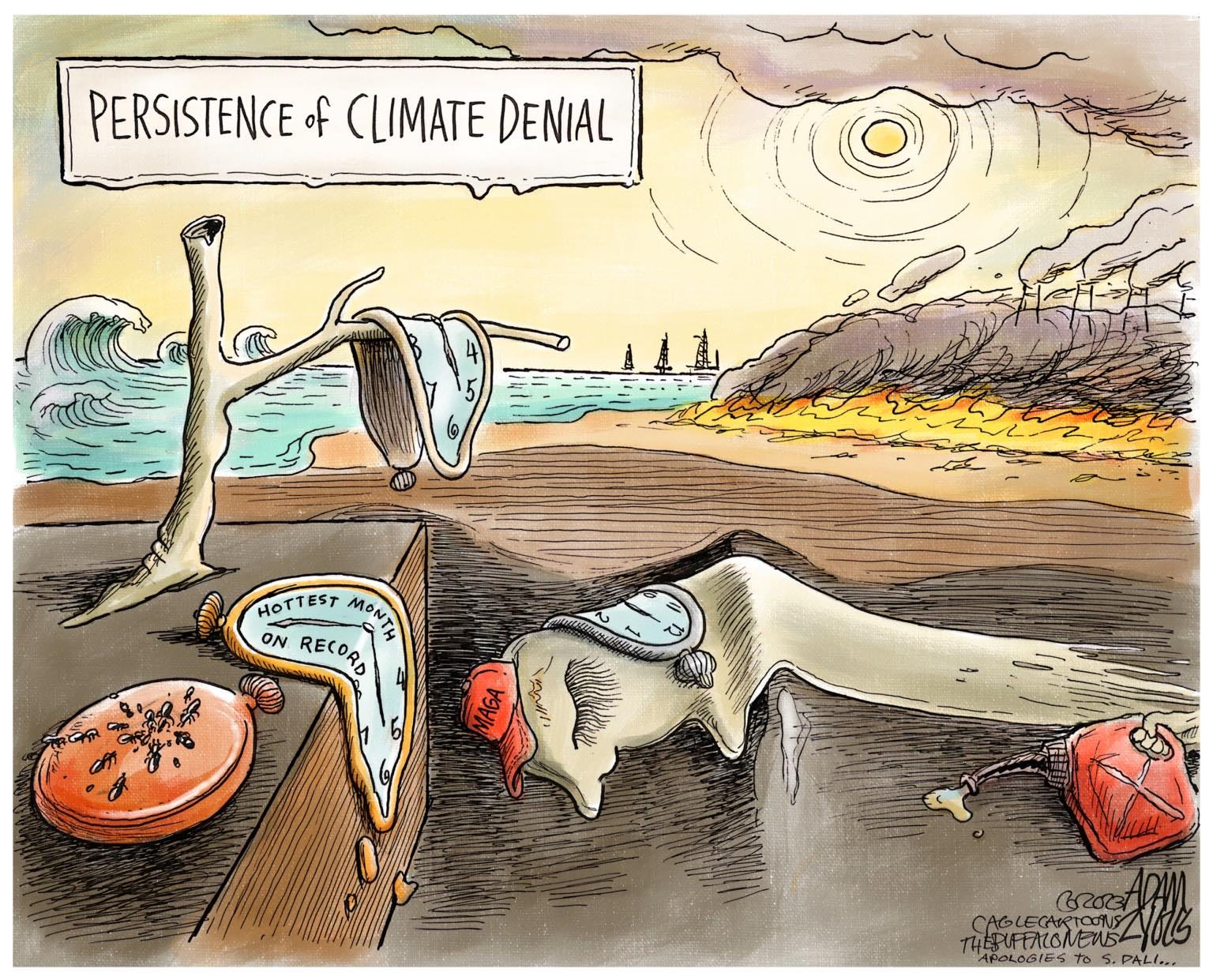
From Tunes to Toons
Zyglis:
Rowe:
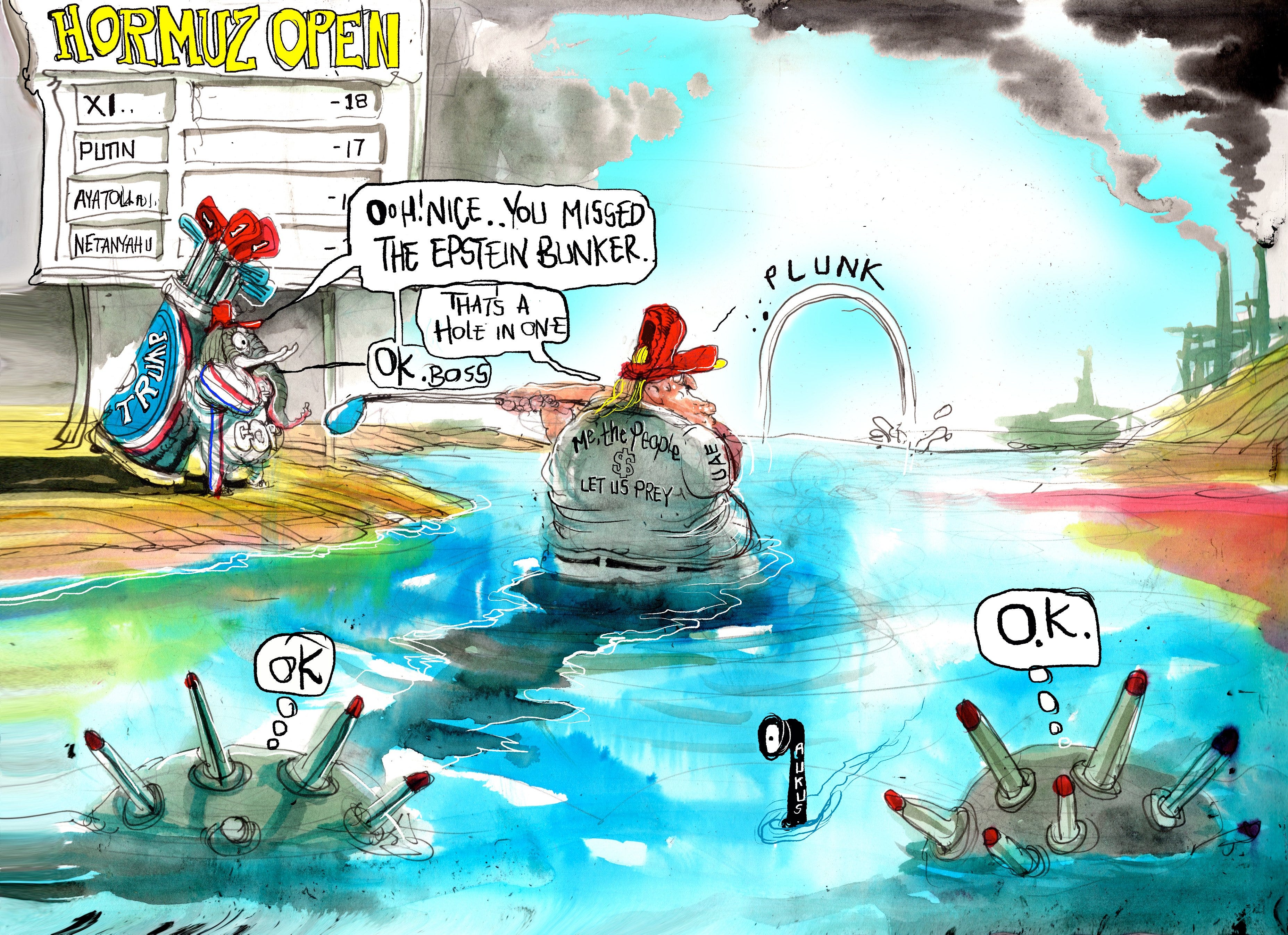
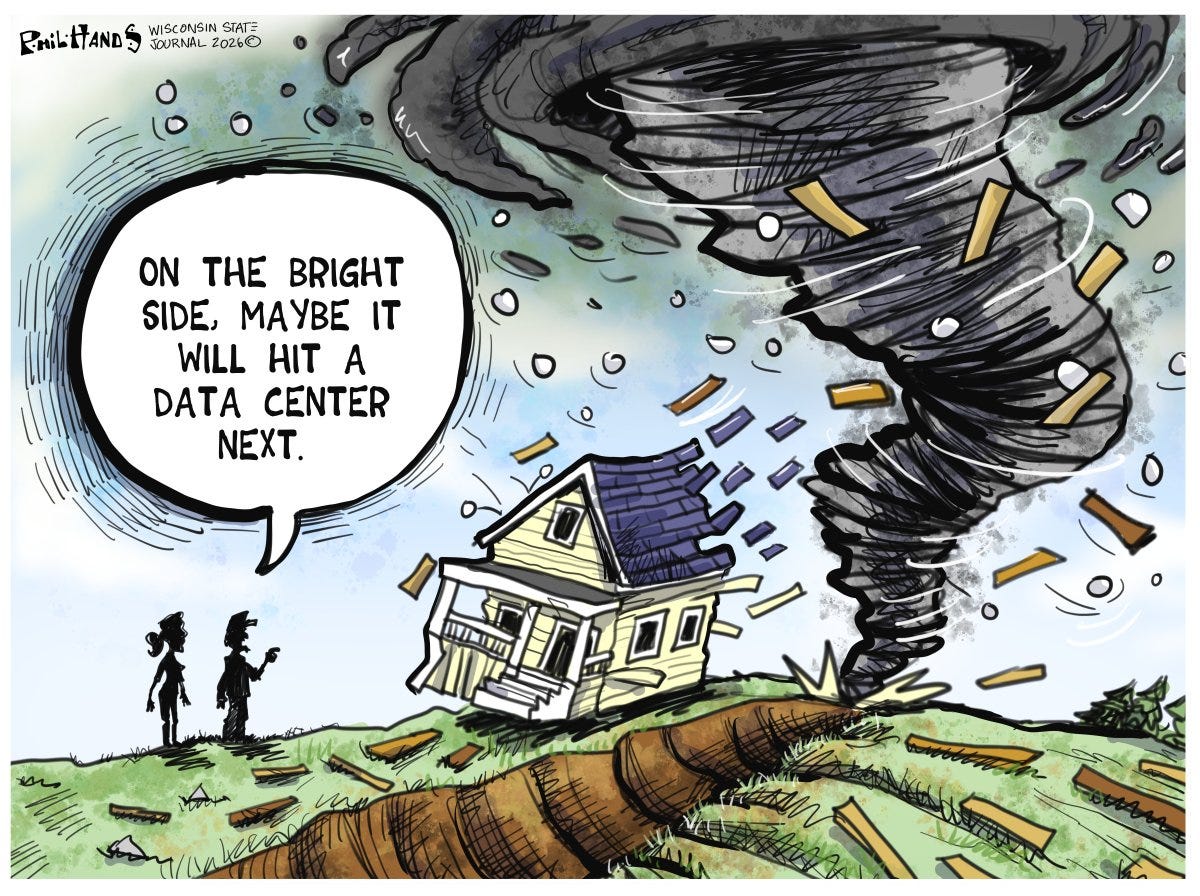
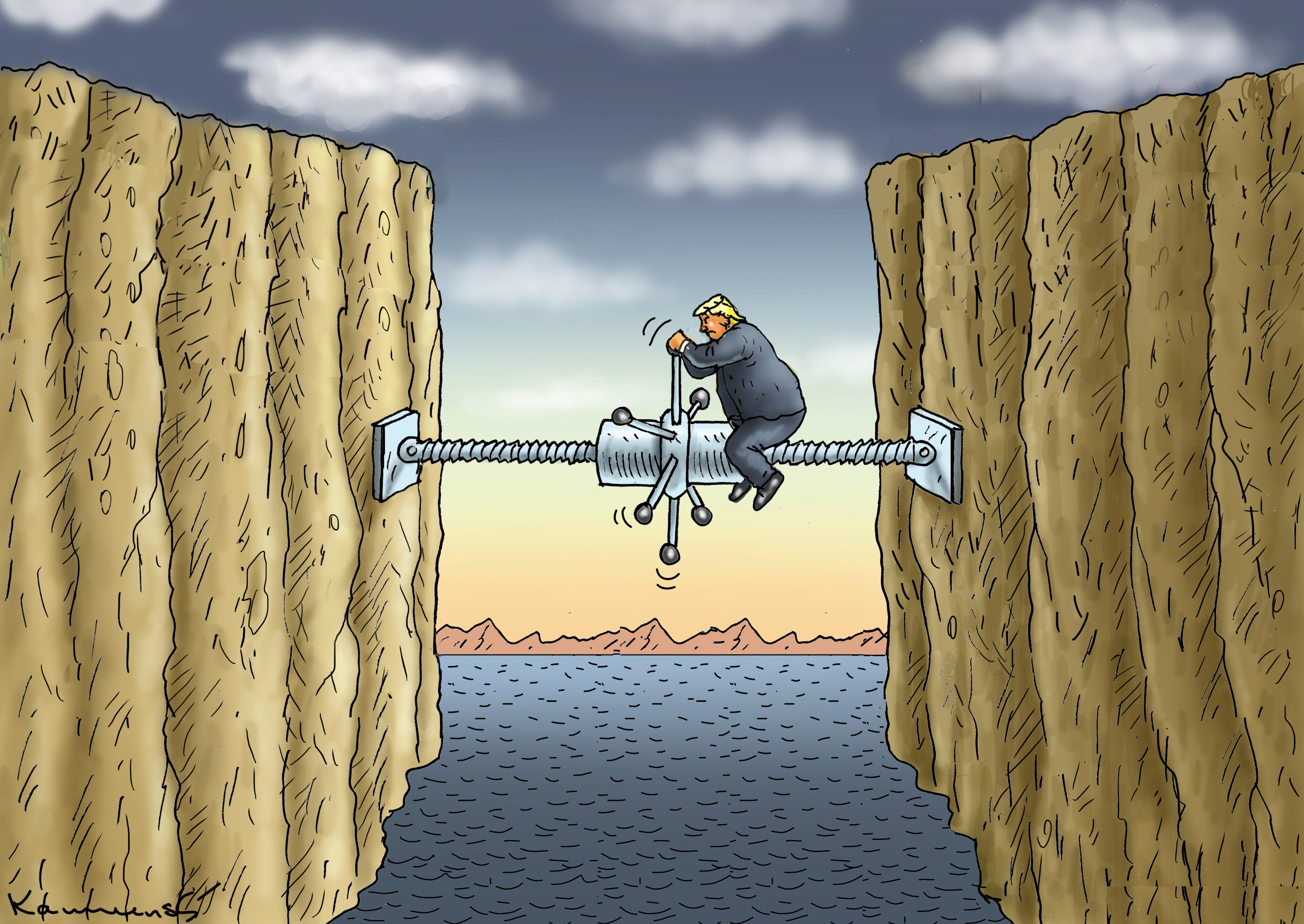



Photo Finish
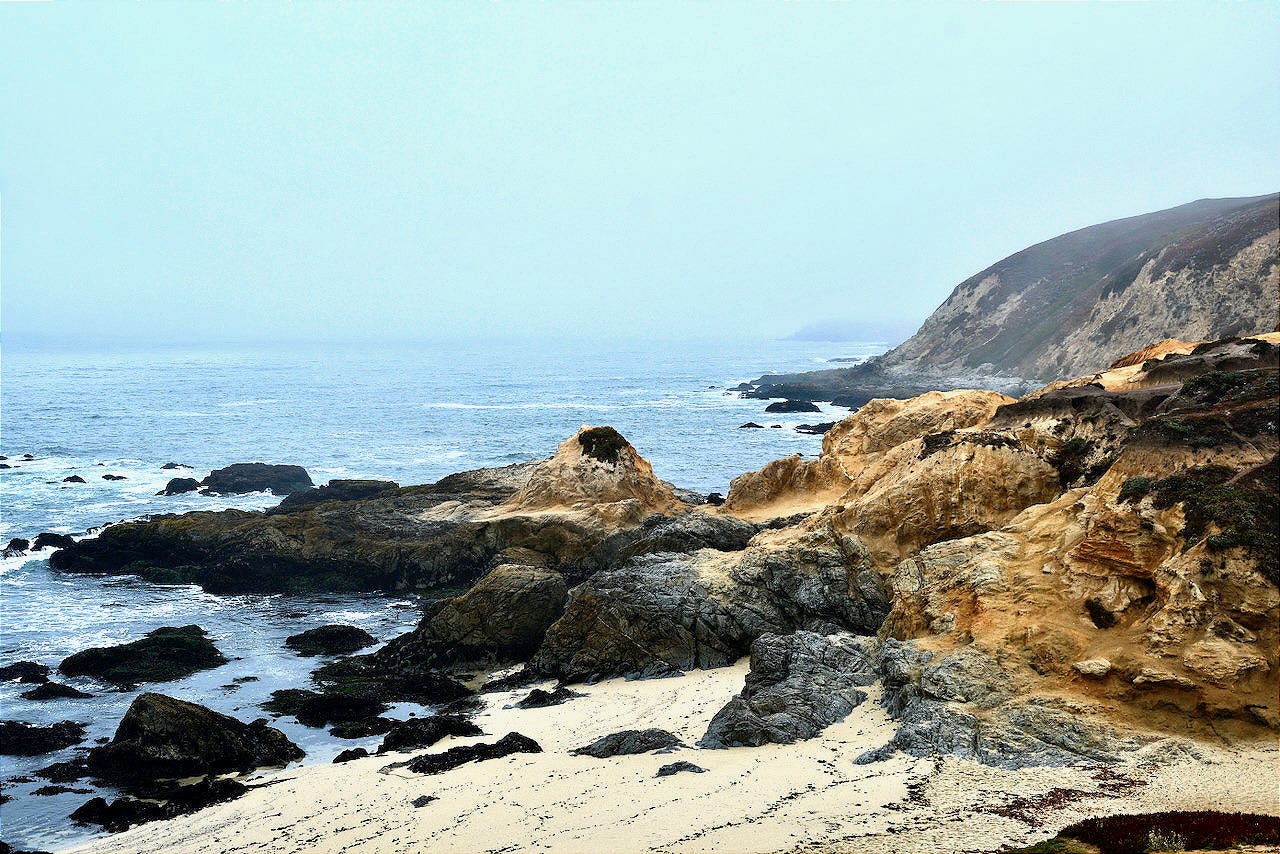
From my camera to you: “Early Morning Fog Lifting, Bodega Bay, CA”
Add the Supreme Court to the pile of American institutions that need a major overhaul.
Unsurprising. The Rehnquist Court was already blatantly politicized, thanks to Scalia and Thomas, and corrupted by its very first decision; John Roberts simply threw off the pretense and went ahead with the political needs of the moment for fascism, even before Mitch "Precedent? What the fuck do I care about precedent?" McConnell deliberately stacked the Court with three more criminally corrupt Nazis-in-all-bjt-name.