

My award-winning film “The Atomic Bowl” started streaming on PBS.org and PBS apps last week week (you can easily watch it via links here), plus it is airing over many PBS stations, and there is a companion e-book.
Just a quick one today, and offering a partial “cross-post” from my “other” nuclear-oriented Substack, as very busy with interviews for the 80th anniversary of the bombing of Hiroshima—with Nagasaki three days later, my main subject this week with my film and book exploring the hidden history and “football at Ground Zero” part of it…
Here are two of my appearances this morning, first with Amy Goodman on about 18 minutes:
And the podcast and YouTube channel for ex-NBC guy Chuck Todd here, about fifty minutes.
You might also check out the interview with Sam Seder on his YouTube and podcast for Minority Report.
Let me add as today’s music pick, one of the very few mainstream rock ‘n roll songs about the results of the atomic bombings—by one of my favorite groups, no less, The Byrds and in their peak mid-1960s era. Needless to say, not released as single but damn, they did it. Original Turkish poem by the great Nâzım Hikmet, English translation by Jeanette Turner, adaptation by Pete Seeger (1962). Roger McGuinn on vocal and his 12-string.
I'm only seven, although I died In Hiroshima long ago / I'm seven now, as I was then / When children die, they do not grow.
U.S. POWS Died from Hiroshima Blast
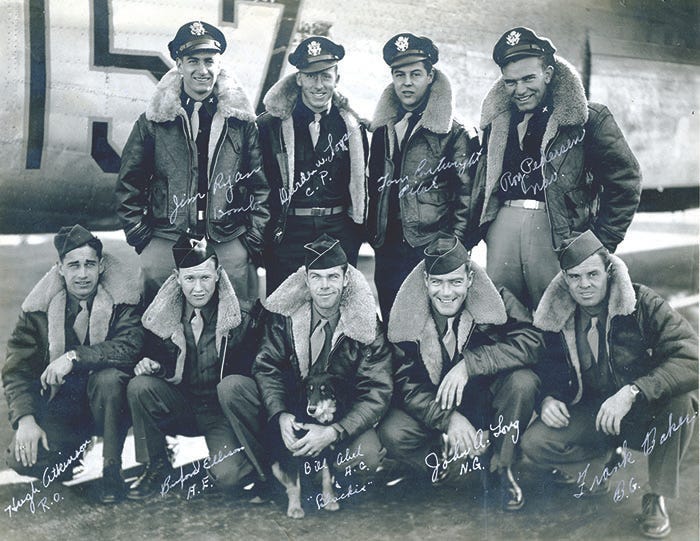
The deaths have been known for awhile but the reports still shock most people. I've written about it for years. Few Americans know that among the tens of thousands victims in Hiroshima were at least a dozen and perhaps more American prisoners of war. They came from three bombers that had been shot down.
The atomic bombing of Hiroshima in August 1945 has been etched into American history books, but only a small number of people today know the story of the 12 American soldiers languishing in a Japanese jail when the bomb dropped. Those 12 prisoners of war perished in the aftermath. While 10 of the POWs died that day, 2 lived for almost two weeks before succumbing to radiation poisoning.
This was kept from the American people—even the families of the victims—for decades, along with so much else related to the atomic bombings.
One night, as a pair screamed in pain in their cells—asking to be put out of their misery—the other Americans asked the Japanese doctors to do something. “Do something?” one of the doctors replied. “You tell me what to do. You caused this.” The two men died later that night.
Three days after the Hiroshima blast, perhaps as many as a dozen Dutch POWs were killed in the bombing of Nagasaki. One American soldier there, a Navajo from New Mexico, survived in his cell.
Crew in Hiroshima below.
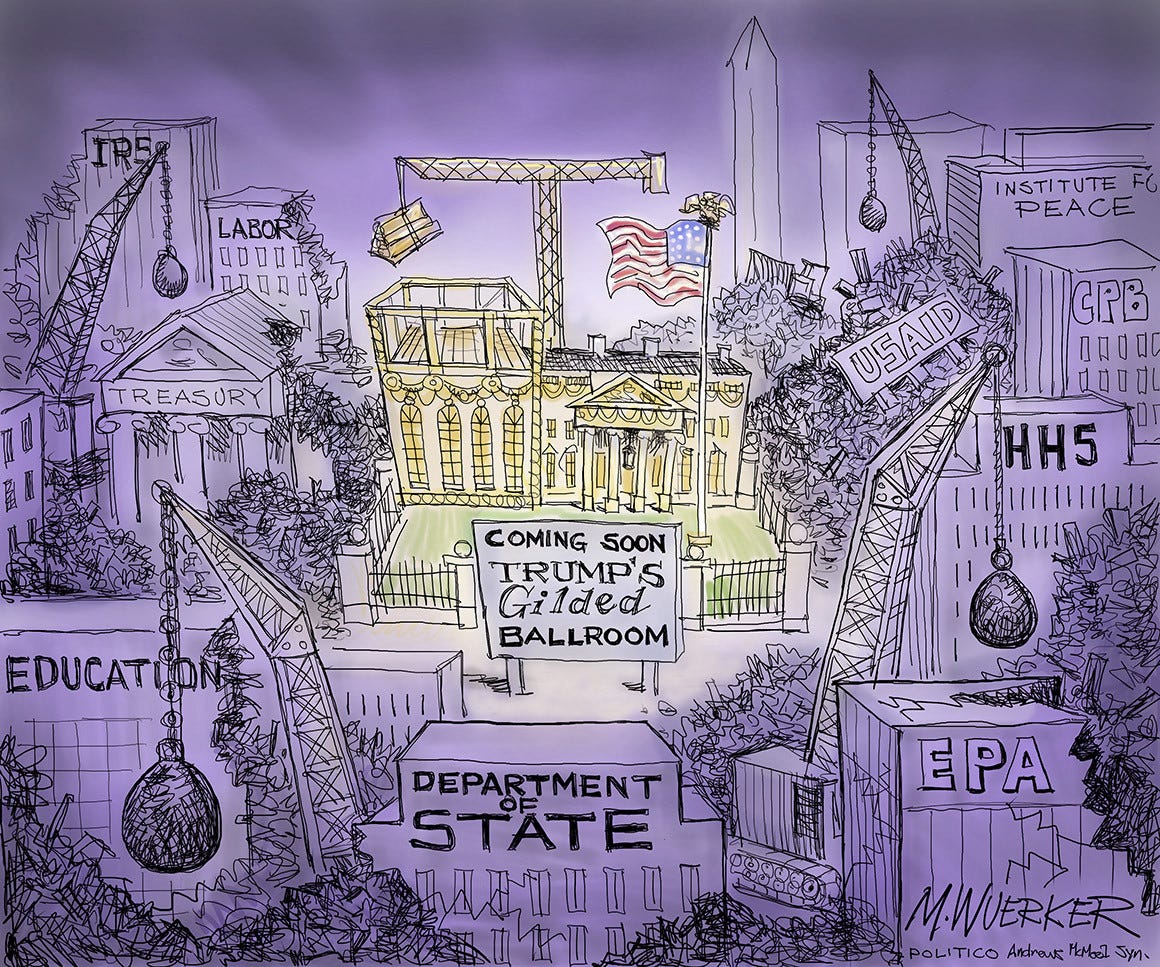
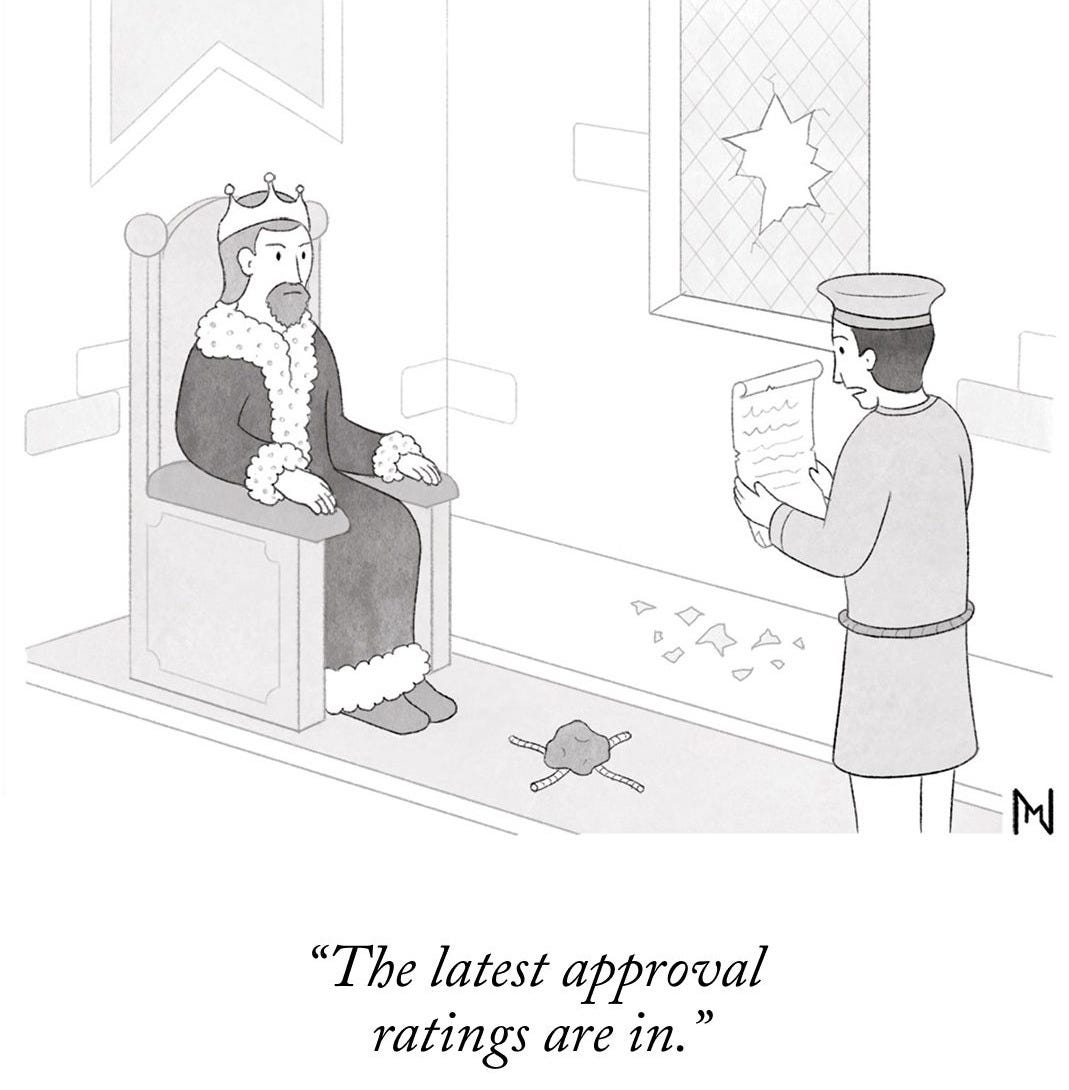
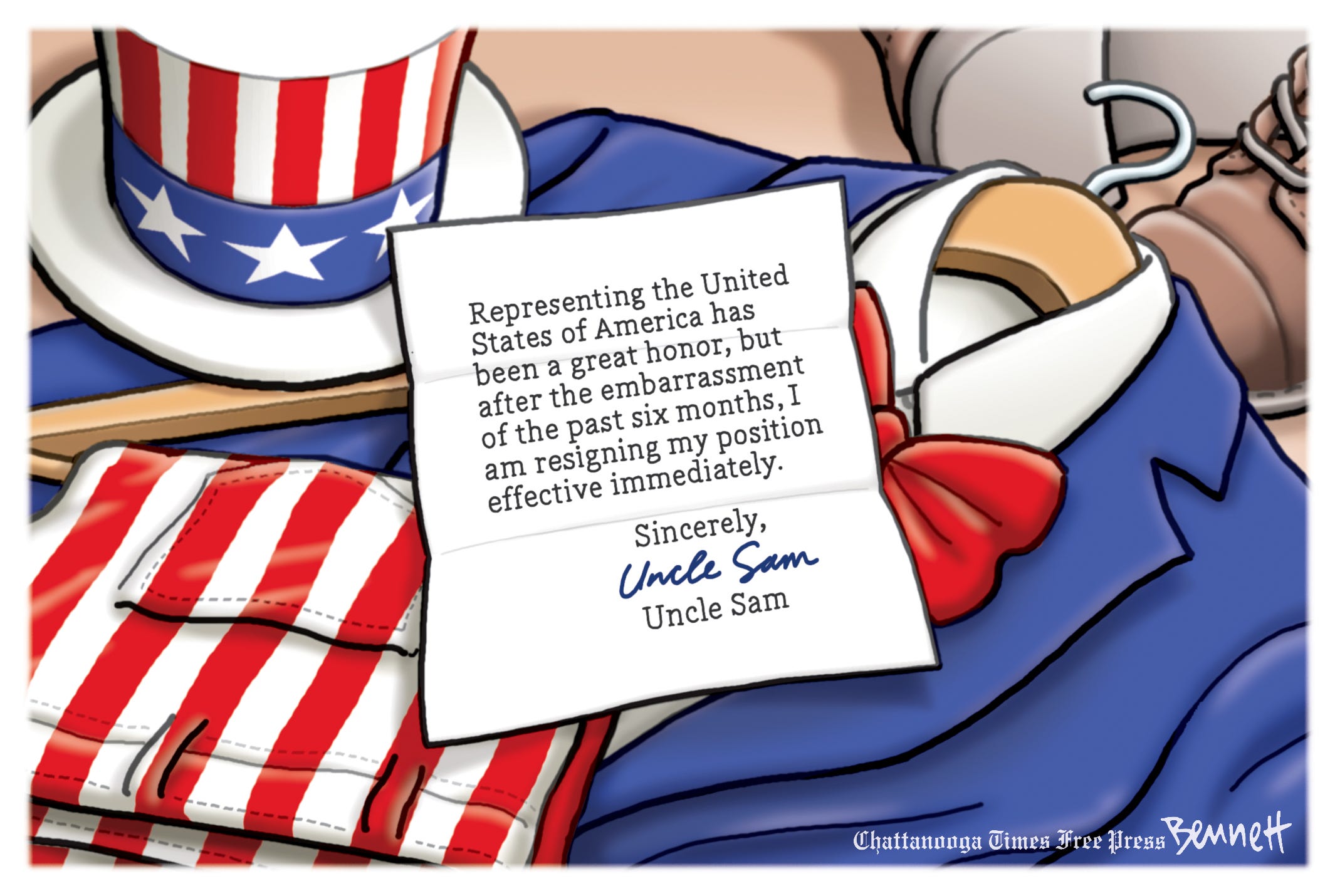
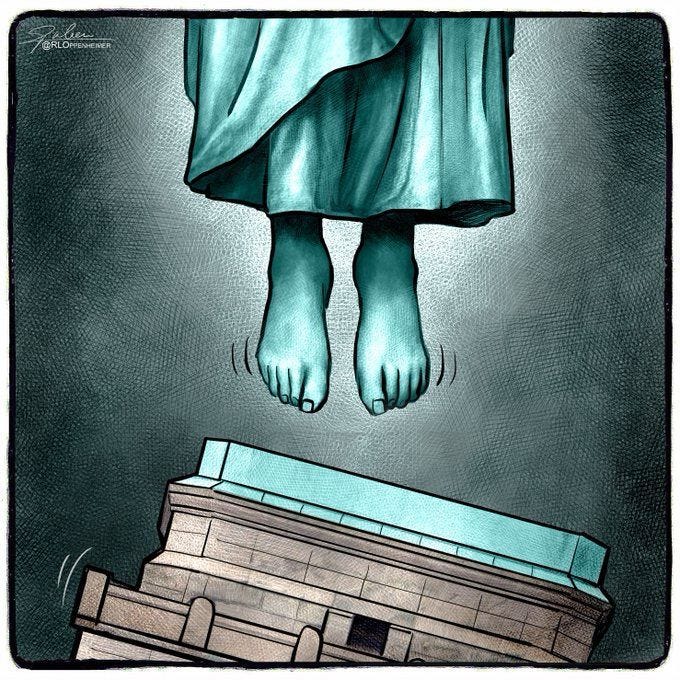
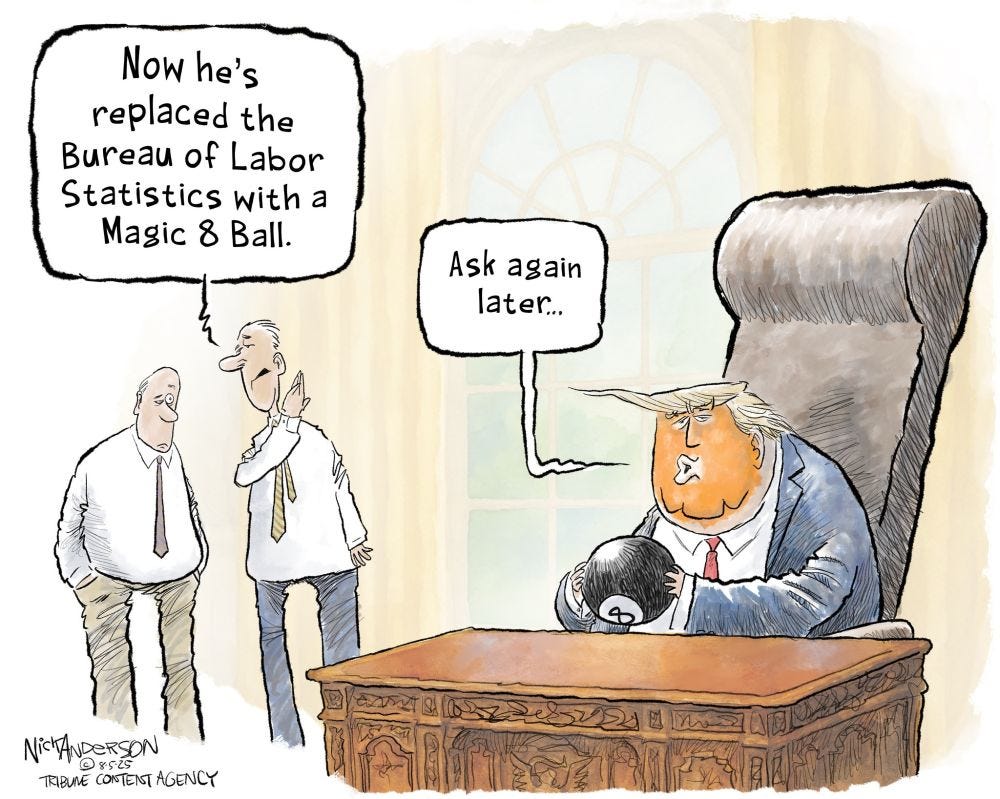
Today’s Cartoons

The music choice was painful as were the stories of the pow’s. But than you for sharing them, they deserve the truth.
Greg, I just finished watching the documentary you presented, thank you so so much for the historical content, I found it fascinating as well as horrific, a well described slice of history and a scary outlook for possible use of nuclear destruction. Let us pray those currently in power use wisdom in their actions.