

Greg Mitchell has authored more than a dozen books (see most of them here) and directed four recent PBS films. Subscribing to this newsletter is still FREE—so if you want to help fund, maybe purchase one of my books, thanks!
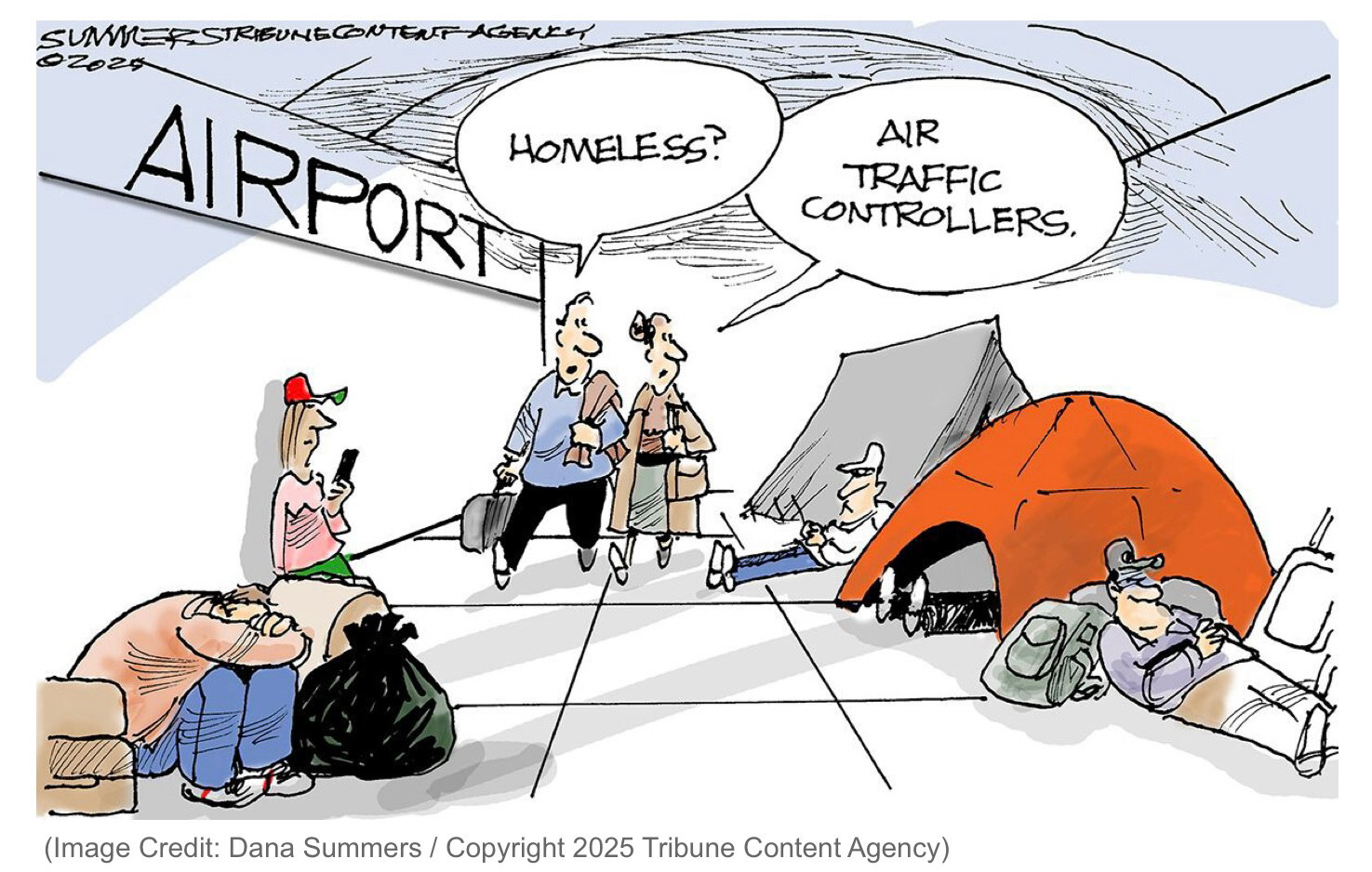
Put it in a lock box? The Democrats tried to end the lockdown yesterday with a Senate proposal to extend the Obamacare premium payments for just one year and not permanently. It gave the GOP a chance to claim the Dems were first to “cave” and declare victory. Instead they roundly rejected it so here we (still) are.
Trump, meanwhile, continued to push for an end to the filibuster, saying his party could then pass anything it wanted and guarantee that they would never ever lose an election or power again (another authoritarian move). But I need a brushing up on the filibuster, which Heather Cox Richardson provided last night:
Republican senators don’t want to get rid of the filibuster. It serves their ideology of slashing the government. Democrats want to pass legislation that changes society, while Republicans want to stop such legislation. The current exceptions to the filibuster enable Republicans to fund the government and even to get tax cuts, but the wide swath of legislation that can be stopped by the filibuster generally neuters Democratic policies.
The filibuster also protects Republican senators from having to take painful votes on the hot-button cultural issues important to the Republican base but hated by the general public: things like abortion bans, for example. The filibuster means they can trust the Democrats to stop such measures before Republican senators have to go on record as either for them or against them.
If the hype can be believed, the new series of the moment is “Pluribus,” from the creator of “Breaking Bad,” which arrived last night. Let me know if you watch. Here is the trailer.
The Grammy nominations came out yesterday and, needless to say, I care nothing about any of the flashy top categories (I know many of the names but little of the work, and less so every year). I do take a peek at the various roots, Americana, folk, trad country and blues categories, and will boast that a fair number, even specific nominated songs, have been featured here in the past year, including by Mavis Staples, Larkin Poe, Jesse Welles, Jason Isbell, Jon Batiste with Randy Newman, Willie Nelson, I’m With Her, Rhiannon Giddens, Margo Price, Molly Tuttle, Charley Crockett and Sierra Hull.
Plus, nods for best historical album (re-issue package), also featured here, include Nick Drake’s “Five Years Left” and Joni Mitchell’s “The Asylum Years.” A nomination for liner notes even went to a 20th anniversary re-issue of Wilco’s “A Ghost Is Born.”
There were four surprising nominations for Jesse Welles, so we ought to feature him again with one of his two nominated songs, as usual a topical “protest” song, “Horses.”
Was amused to see that the closing song for the new “Bugonia” movie (starring Emma Stone) is none other than Marlene Dietrich’s “Where Have All the Flowers Gone” (the Pete Seeger song had recently emerged as hit for the Kingston Trio, here live from 1963:
The “Rock and Roll” Hall of Fame induction is tonight and we have already noted that Warren Zevon finally makes it, and also the White Stripes (see below), along with the usual questionables. In a sub-cateogry, piano sideman Nicky Hopkins will join them, plus bassist Carol Kaye, who announced she wanted nothing to do with it but now, I believe, plans to accept. But come on, no Ry Cooder? Here the White Stripes cover Dylan’s “Lovesick.”
From Tunes to Toons
KAL on the upcoming COP 30 climate conference, where China and Brazil may lead the way…


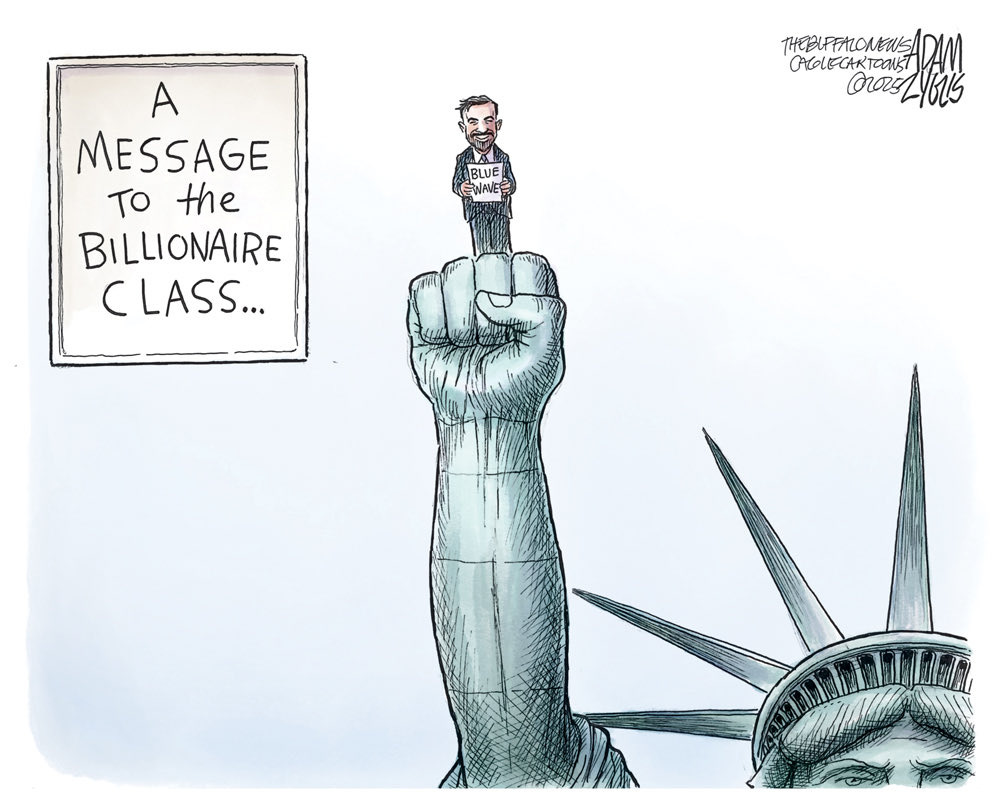
Adam Zyglis:
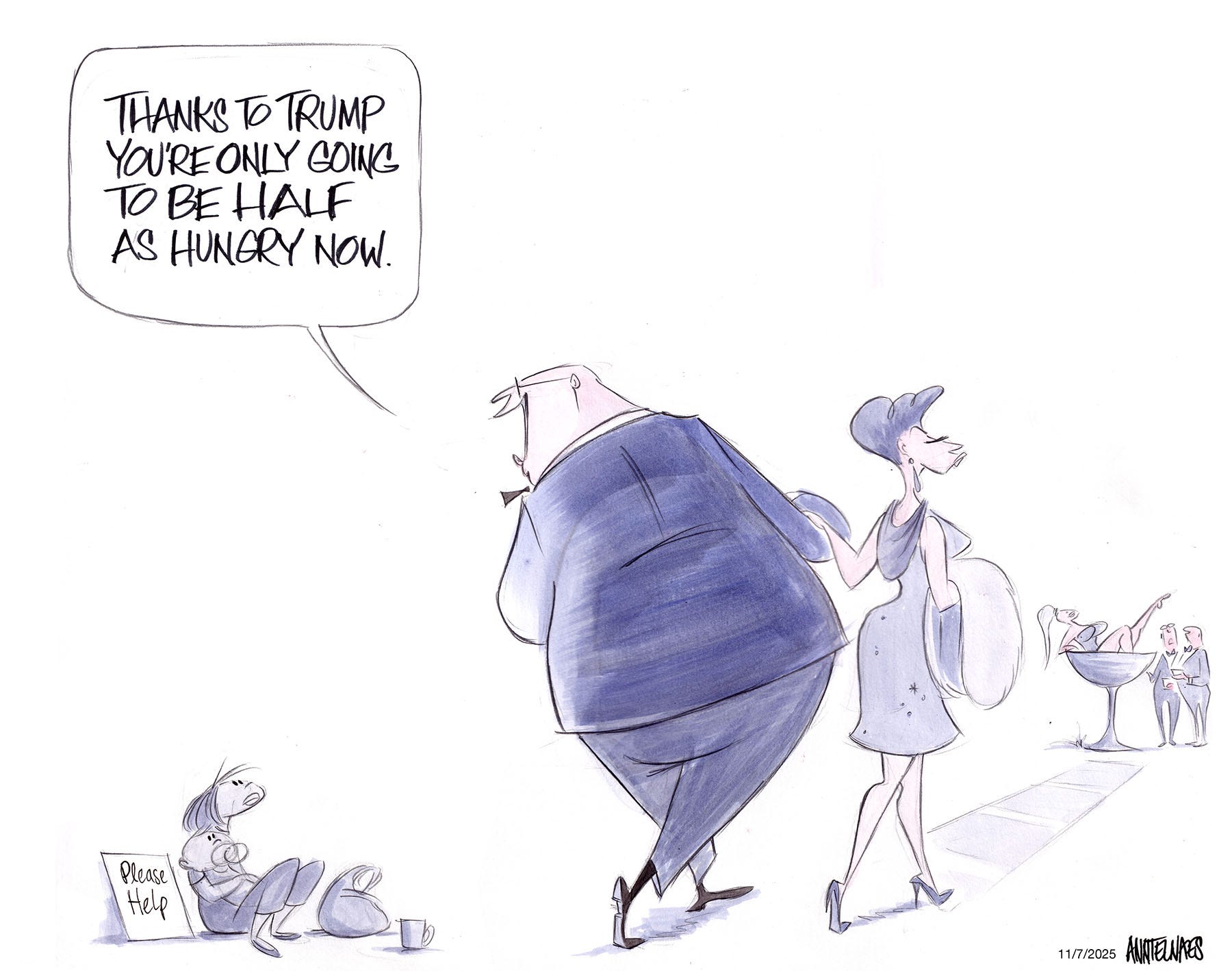
Ann Telnaes:
David Horsey:

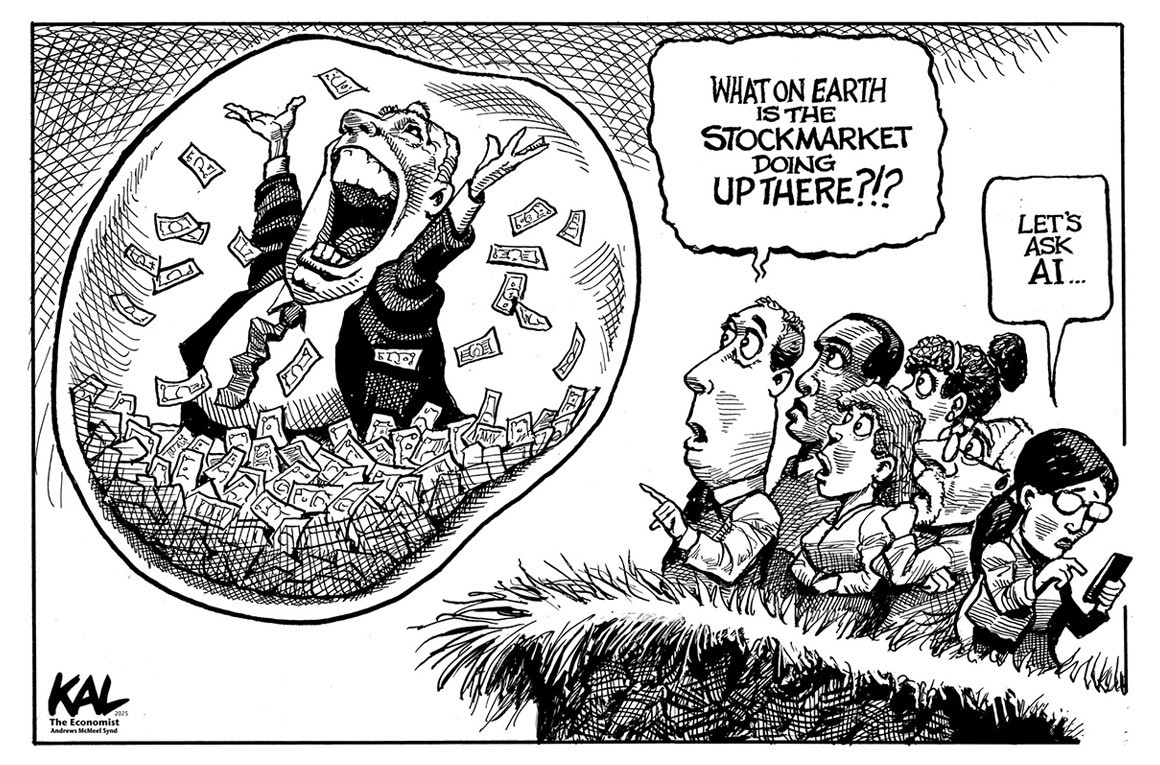
KAL again:
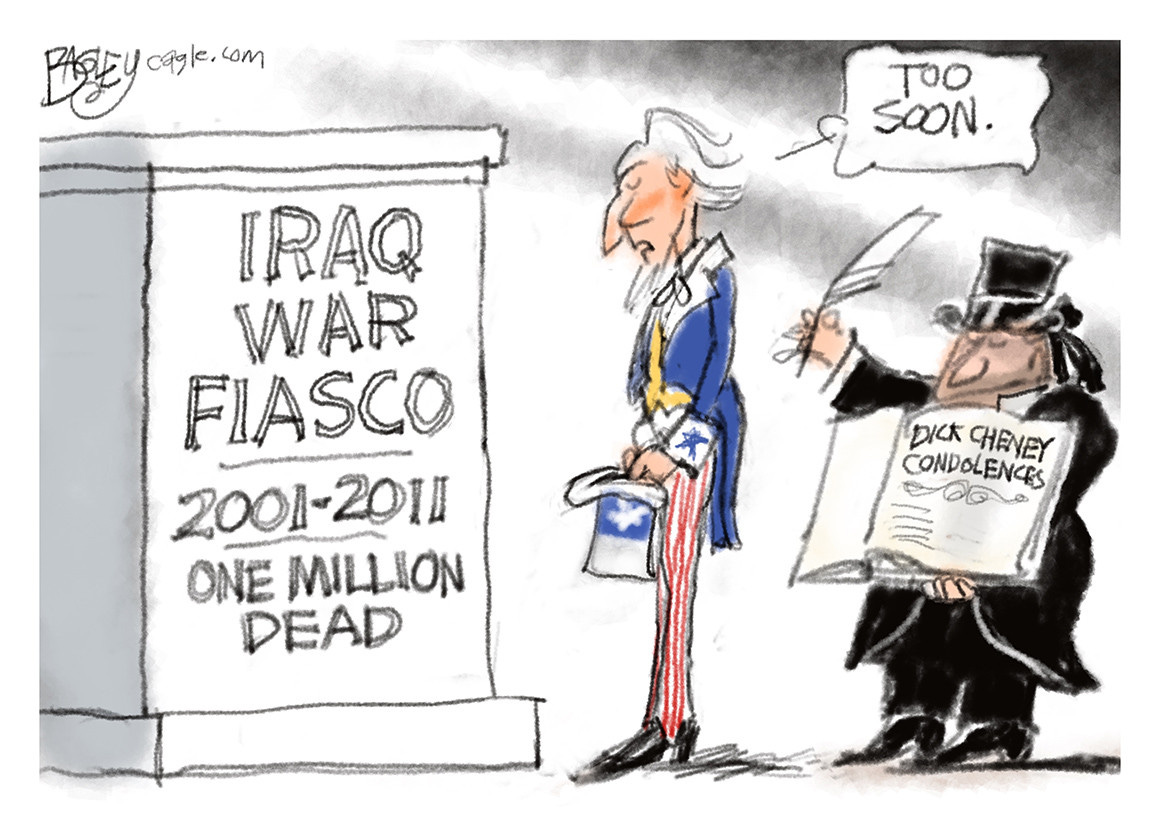
Bagley:
Matt Davies

Photo Finish
Continuing the new feature, from my camera to you, today: “Tree Poetry,” outside our house, yesterday afternoon.

This is the greatest stop on the substack highway and there's 13 likes? WTF?
Marlene Dietrich’s rendition of “Where Have All the Flowers Gone?” is the best I have ever heard. She really puts her heart and soul into every verse. It brought tears to my eyes, thinking about what the song might have meant in her life and in all the lives of those who sang the song throughout the Vietnam War, whether professional singers or like me, a protest marcher. Thank you, Greg, for sharing it with us.