
Bunny Hopping
A Super experience, plus our usual cartoons, a tribute to Bob Marley, and what's up with today's protest songs?

Yes, it’s still somehow free to subscribe to this nearly daily newsletter, and if you are already a subscriber, let’s hear from you! You can also, way down below, pledge a future payment for a paid sub….if we can no longer afford to stay free.
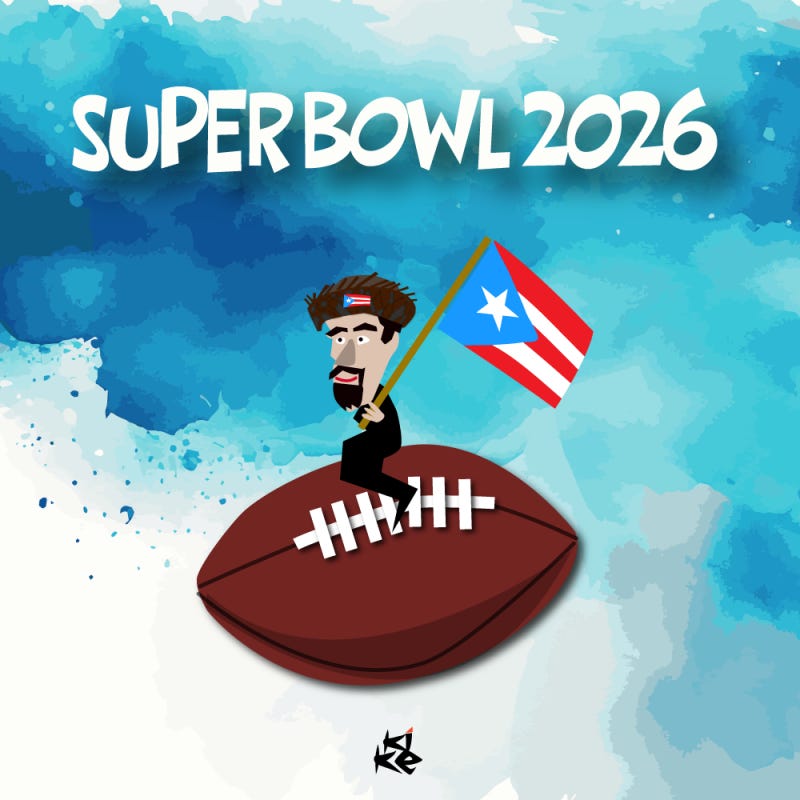
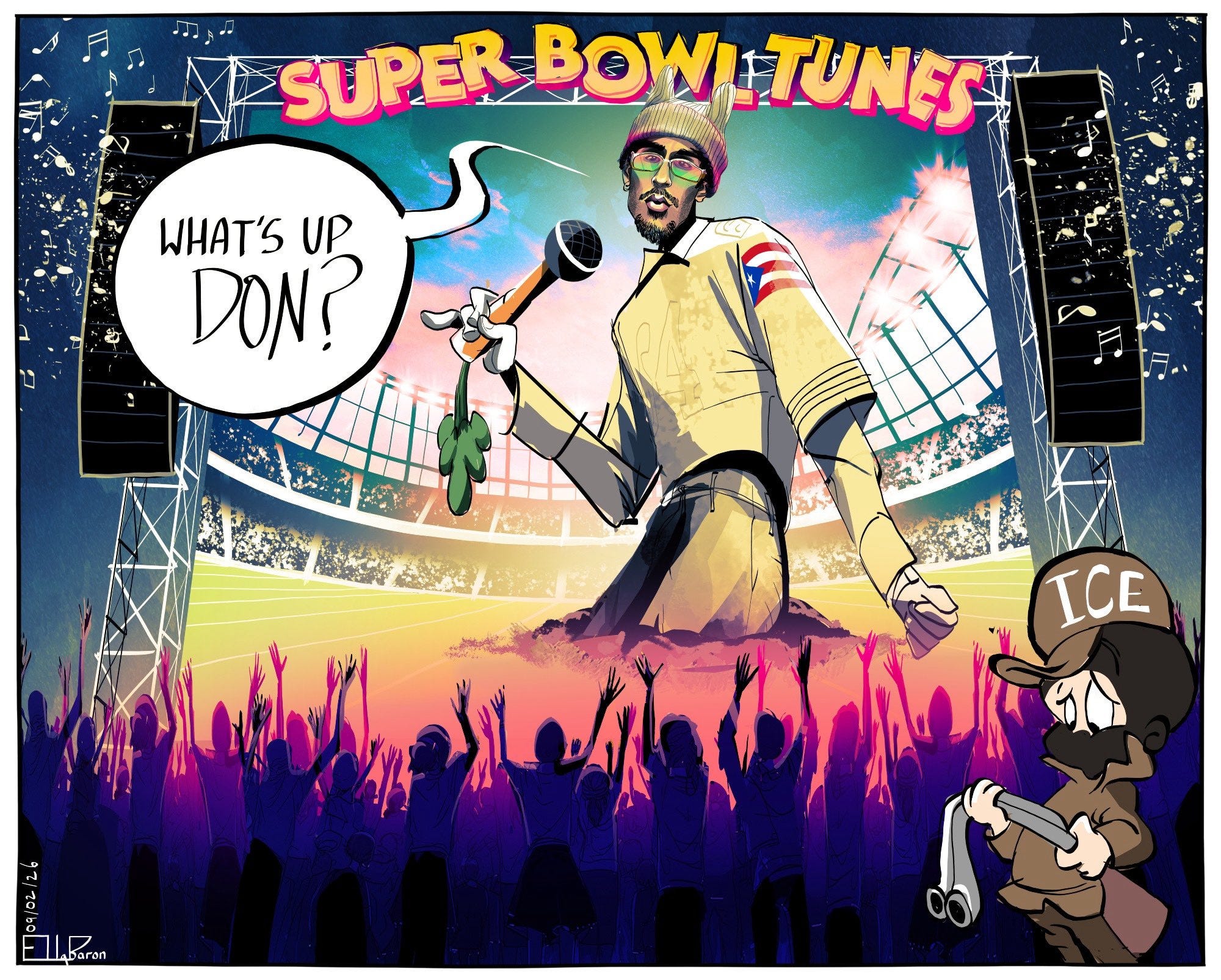
I loved it when the early reports circulated, as would have been strong anti-ICE image, but the child whom Bad Bunny handed a Grammy Award to during his Super Bowl halftime performance was not the 5-year-old boy who was detained as part of a recent immigration operation in Minnesota. Meanwhile, funniest part of Trump’s long blast at Bunny was by the end he had still managed to squeeze in his obsession in recent weeks—this year’s new NFL kickoff rule!
I like this from NY Times: “The Puerto Rican flag that Bad Bunny carried was subtly different from the current official one. It was a flag of the Puerto Rican independence movement.”
Then there’s the Rolling Stone headline: “Kid Rock Delivers Half-Assed Lip Sync At TPUSA Anti-Halftime Show”
NY Times:
Several members of Congress will view unredacted versions of the Justice Department’s files on Jeffrey Epstein today. Representative Thomas Massie, Republican of Kentucky and one of the authors of the law that required the release of the files, announced his plans in a social media post. Representative Jamie Raskin of Maryland, the top Democrat on the Judiciary Committee, also plans to view the files today, according to the committee’s staff.
Then there’s this:
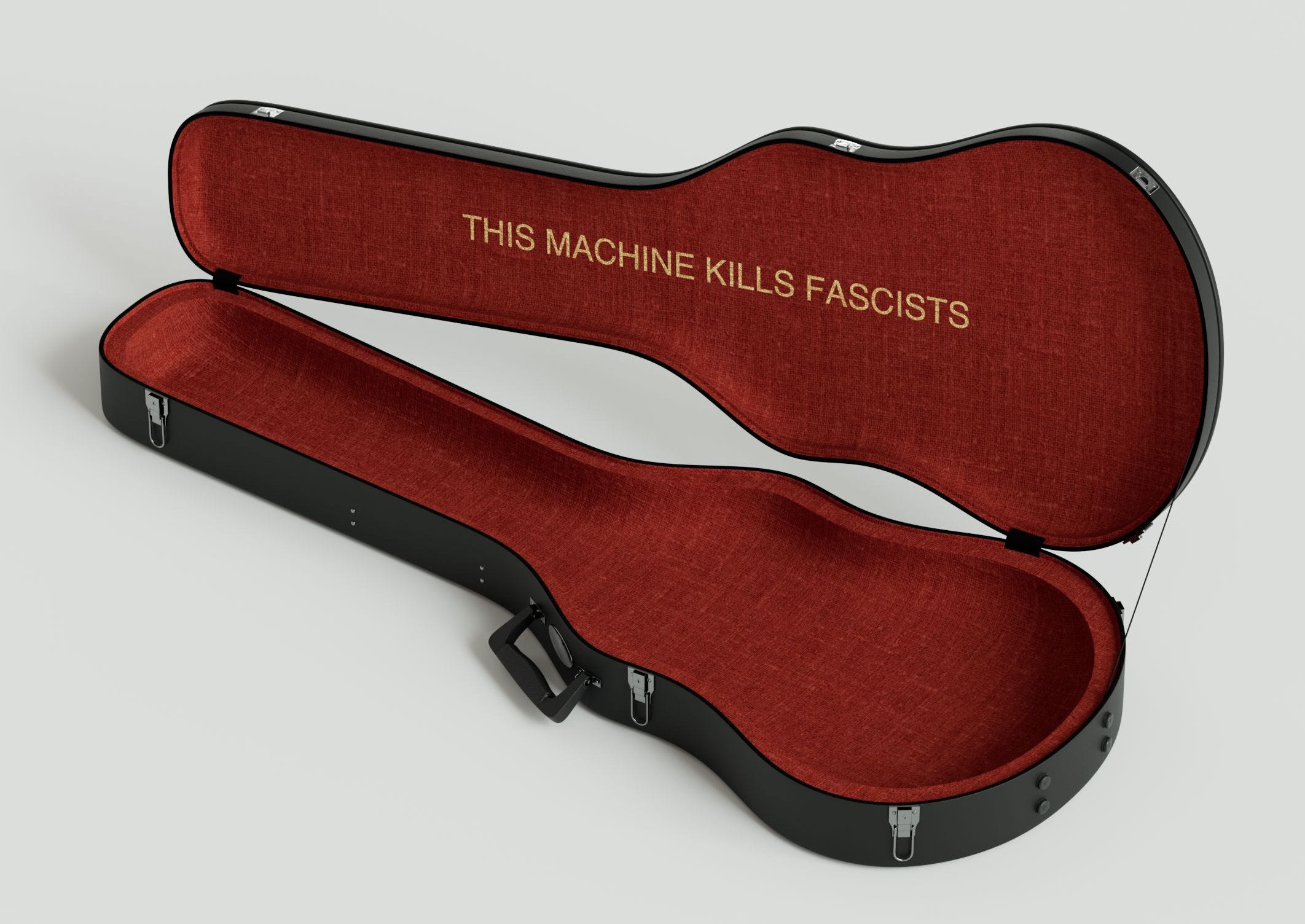
Today The New Yorker with an interesting piece, which I disagree with in part, titled:
What Do We Want from a Protest Song?
For a genre that confronts the horrors of the present, the protest song of 2026 is curiously backward-looking.
Of course, it leads with a visual reference to you-know-who, though he is not mentioned at all in the article.
An excerpt:
Perhaps the protest song has changed because our listening has changed, too. More than a decade into the streaming era, music has been radically devalued, with artists taking home less revenue than ever from their recordings and listeners ceasing to think of music as a product of skilled labor, something worth paying for directly. Along with this economic devaluation, as the journalist Liz Pelly has written, there’s been a diminishment of music’s social function, “the relegation of music to something passable, just filling the air to drown out the office worker’s inner thoughts.” When the dominant mode of listening to recorded music is more or less unconscious, the protest song can hardly go to work shaping one’s political consciousness.
Music Picks
Yes, I prefer reggae to reggaeton, and here is terrific new song marking the 81st birthday of the master, Bob Marley, by son Ziggy Marley:
And speaking of you-know-who, here is yet another version of his “Old Man Trump,” joined in lovely fashion by the classic “Ain’t Got No Home.”
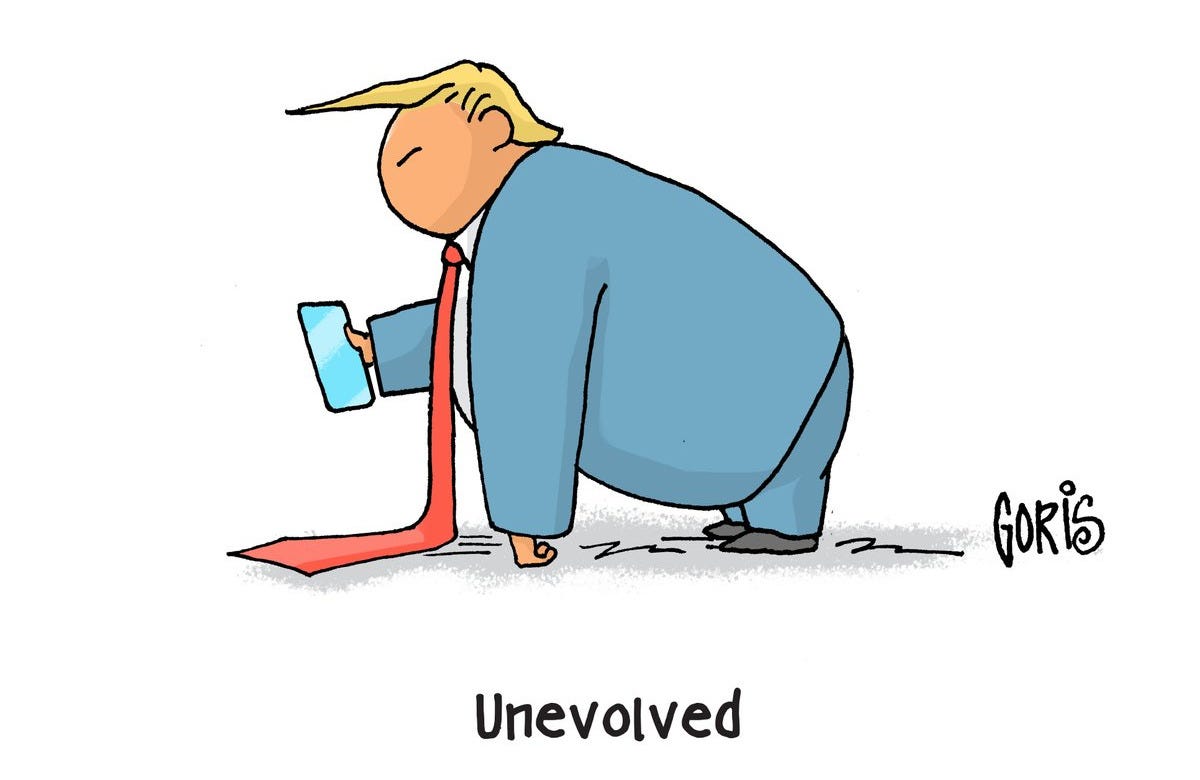
From Tunes to Toons
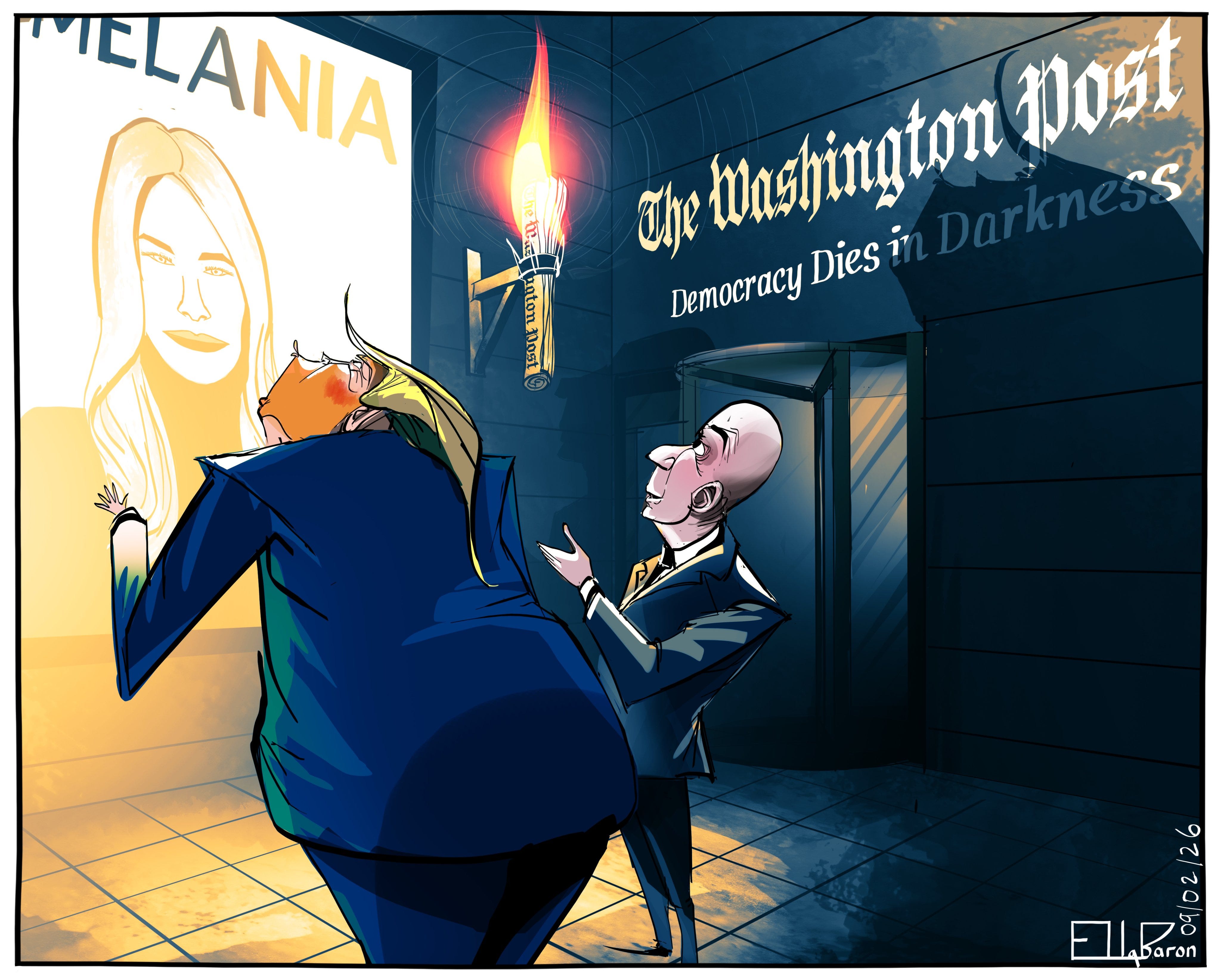
Goris:
Matson:
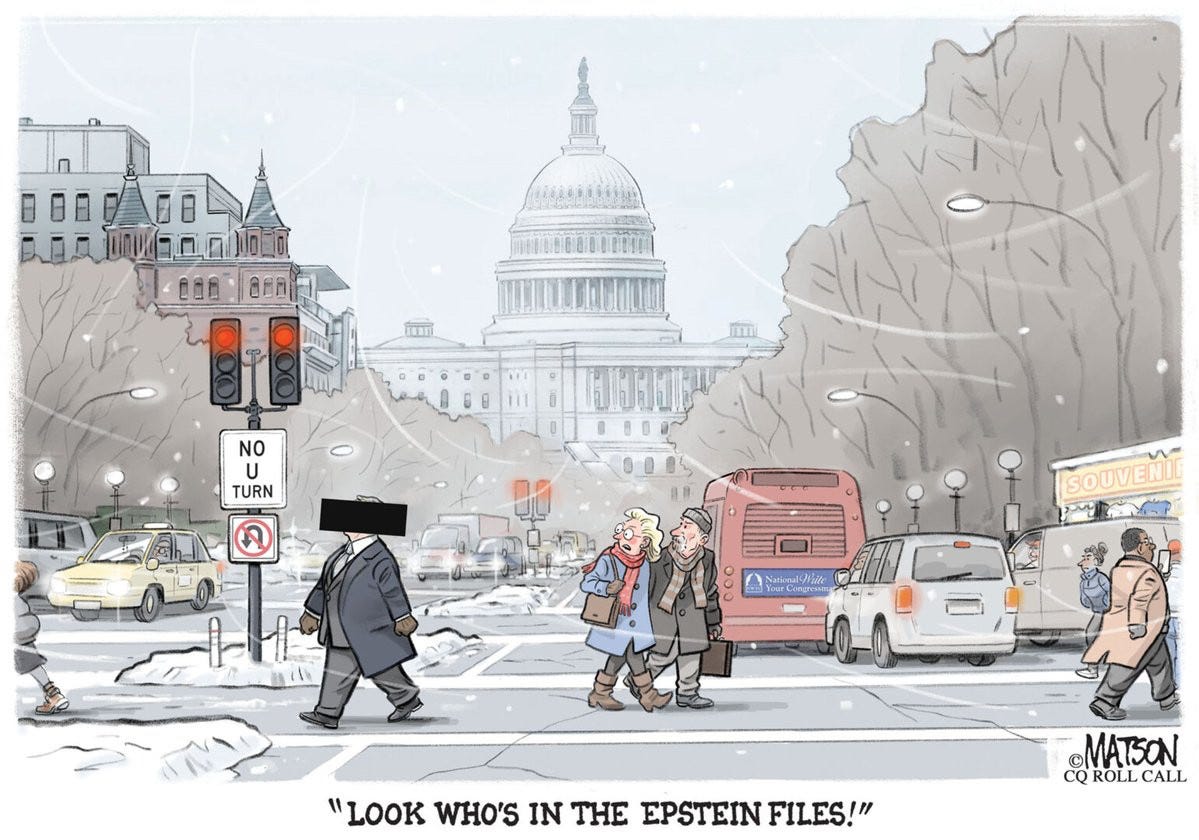
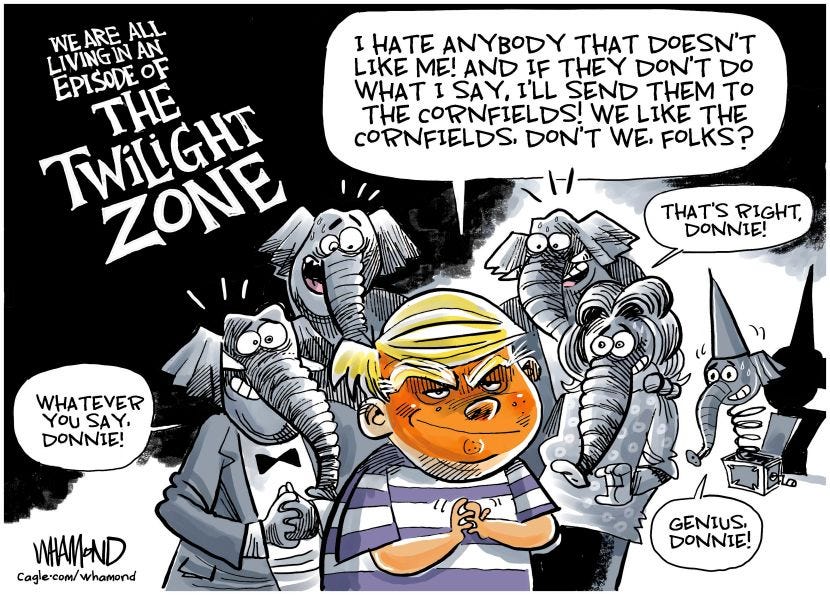
Photo Finish
From my camera to you, another from my series on the California Calla.

Thanks for sharing the New Yorker piece. I believe that the main value of protest songs (the old ones and the new ones) is to build group solidarity on the ground when people get together to (gasp) actually protest, something the author notes in the conclusion.
Beautiful photo, Greg!